
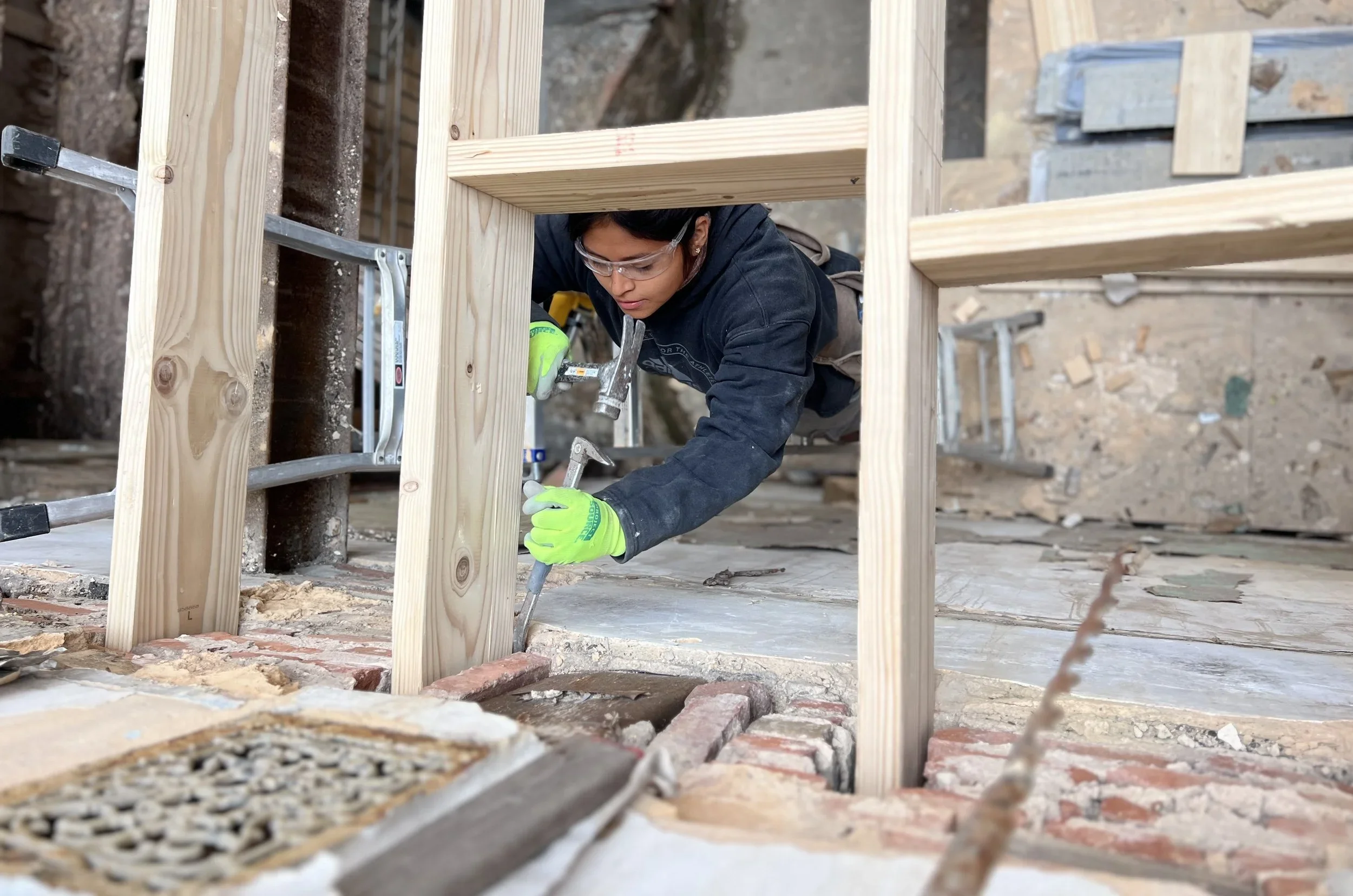

No vemos abandono.
Vemos oportunidad.
StreetWell transforma la reconstrucción de barrio en sentido de pertenencia para quienes viven y trabajan en él.
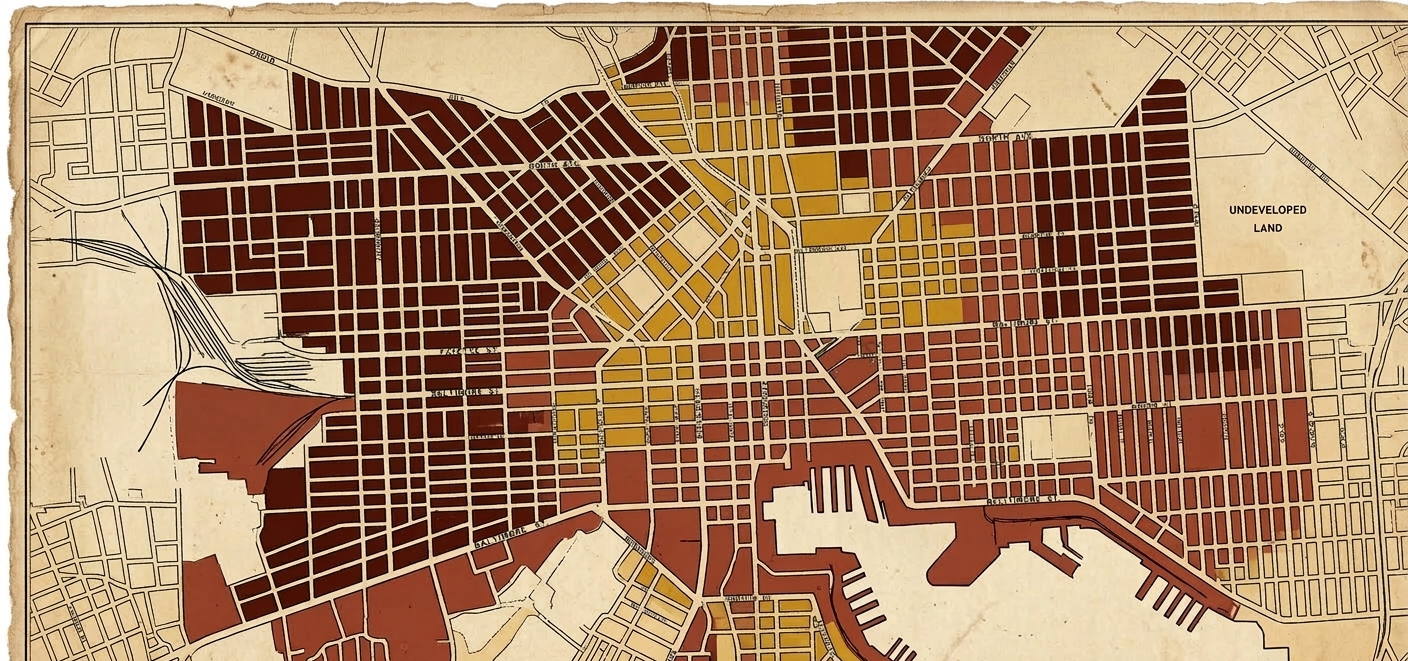
BALTIMORE NO SOLO SEGREGÓ SUS BARRIOS POR RAZA. FUE LA PRIMERA CIUDAD EN CONVERTIRLO EN LEY.
— EL PROBLEMA —
En 1910, Baltimore aprobó la Ordenanza 610, la primera ley de segregación residencial en la historia de los Estados Unidos. El gobierno federal hizo lo mismo. Con el tiempo, las formas cambiaron: maneras de cerrar el acceso a vivienda, crédito y oportunidades en ciertos barrios. Pero el objetivo nunca cambió: quitarle valor a esas comunidades.
Hoy:
17,000
Propiedades vacias en Baltimore.
$3,000
Es el patrimonio medio de los hogares afroamericanos.
El problema no es la pobreza. Es el despojo. La riqueza existió. Se contruyó. Y se la llevaron. Esos mismos barrios siguen llenos de valor.
La pregunta es: ¿Quién se lo queda?
UNA FORMA DISTINTA DE RECONSTRUIR.
— EL MODELO —
StreetWell construye sistemas cooperativos de vivienda donde quienes trabajan y quienes viven allí son dueños de una parte real de lo que se crea en sus barrios.
En vez de tratar la vivinda como un negocio especulativo, StreetWell organiza la reconstrucción a través de una red de empresas de construcción que son cooperativas de trabajadores, fondos comunitarios de inversión y servicios compartidos.
El resultado no es solo renovar. Es que el barrio recupere su valor.
Muchas personas comienzan realizando trabajos de inspección, mantenimiento o construcción, y con el tiempo pueden convertirse en miembros-propietarios de las cooperativas.
“QUIENES HACEN EL TRABAJO DEBEN QUEDARSE CON LOS RESULTADOS”
EL MODELO DE STREETWELL.
— COMO FUNCIONA —
01
Las cooperativas de construcción locales realizan el trabajo de rehabilitación. Quienes constuyen tambien son propietarios; Los frutos de su trabajo les pertenecen.
Construcción liderada por sus trabajadores
02
La vivienda se gestiona para el largo plazo de la comunidad, no para la especulación. El valor que se genera en el barrio se mantiene en él.
Vivienda en manos de la comunidad (IREP)
Soporte compartido
03
StreetWell ofrece la infraestrucutura necesaria (finanzas, tecnología, comunicaciones, desarrollo cooperativo, y acceso a capital) para que las cooperativas operen con éxito sin tener que empezar desde cero.
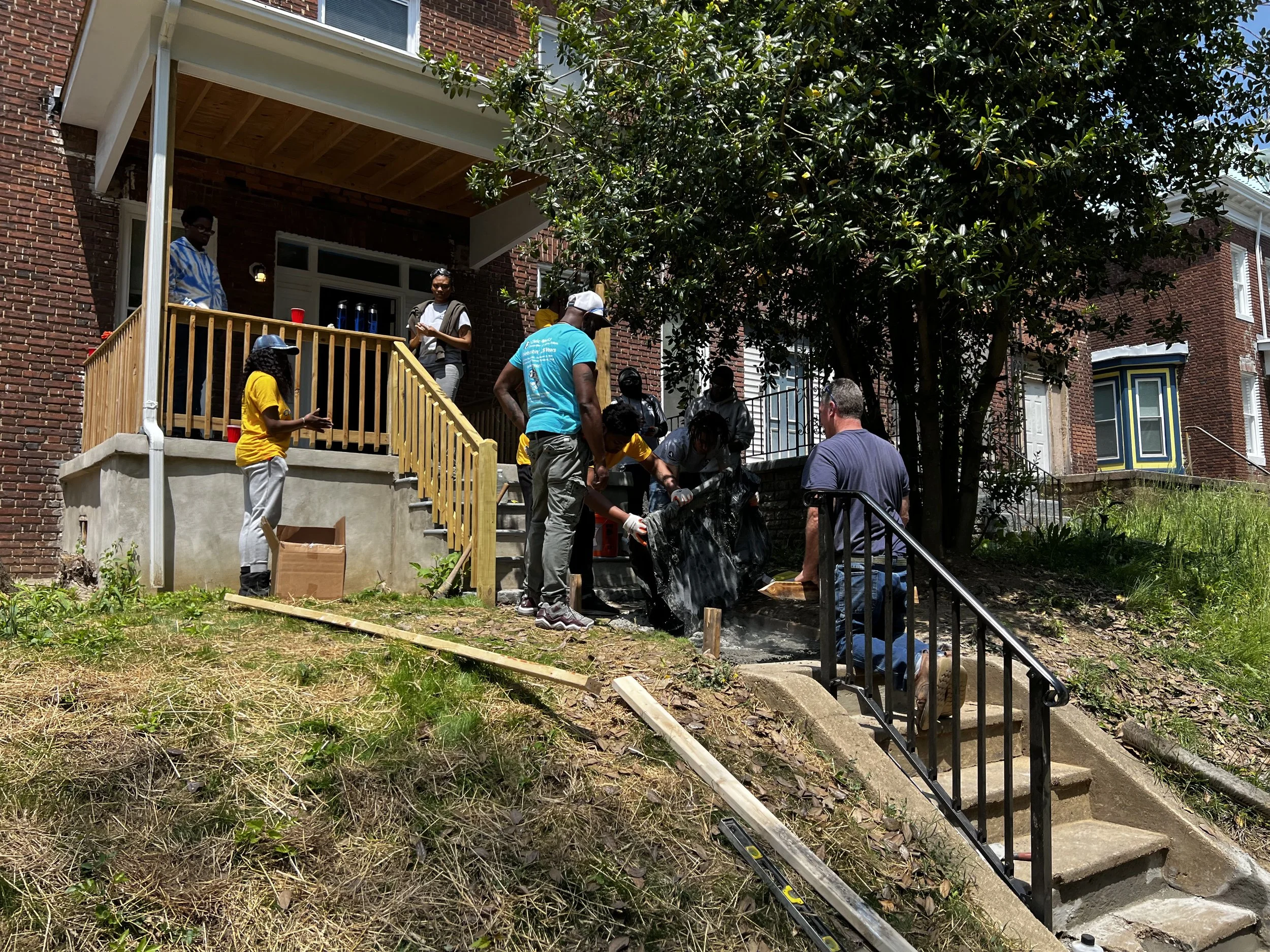
— “Antes solo trabajábamos. Ahora lo que construimos es nuestro.”
NACE DEL TRABAJO NO DE LA TEORÍA.
— EL ECOSISTEMA —
StreetWell no empezó como una teoría. Surgío del trabajo de construcción en Baltimore y en la región de Atlantico Medio, a través de cooperativas de trabajadores y alianzas comunitarias.
Hoy la red de StreetWell incluye organizaciones que trabajan en construcción, vivienda, desarrollo laboral y desarrollo cooperativo.
Cooperativa de construcción y rehabilitación
Baltimore, Pittsburgh, Meadville.

Vvienda en manos de la comunidad
Baltimore.
Núcleo de apoyo y governanza cooperativa.

— EN LOS MEDIOS —
STREETWELL EN LOS MEDIOS.
The Guardian · BBC Radio · Impact Alpha · Baltimore Banner · WMAR TV · NPR
¡TRABAJEMOS JUNTOS!
— TRABAJA CON NOSOTROS —
StreetWell trabaja con:
• Cooperativas de construcción en manos de sus trabajadores.
• Organizaciones comunitarias y fideicomisos de tierras.
• Gobiernos locales, agencias de vivienda y aliados estratégicos.
• Inversionista de impacto y aliados filantrópicos.
Building community wealth through cooperative ownership in Baltimore.
Follow
LinkedIn